Table of Contents
Local SEO is not only about ranking for “near me” searches. For a service business, the real goal is qualified enquiries: phone calls, form submissions, WhatsApp messages, direction requests and booked consultations. A clinic, institute, real estate consultant, home service provider or B2B service company needs a complete local trust system, not just a few keywords on a page.
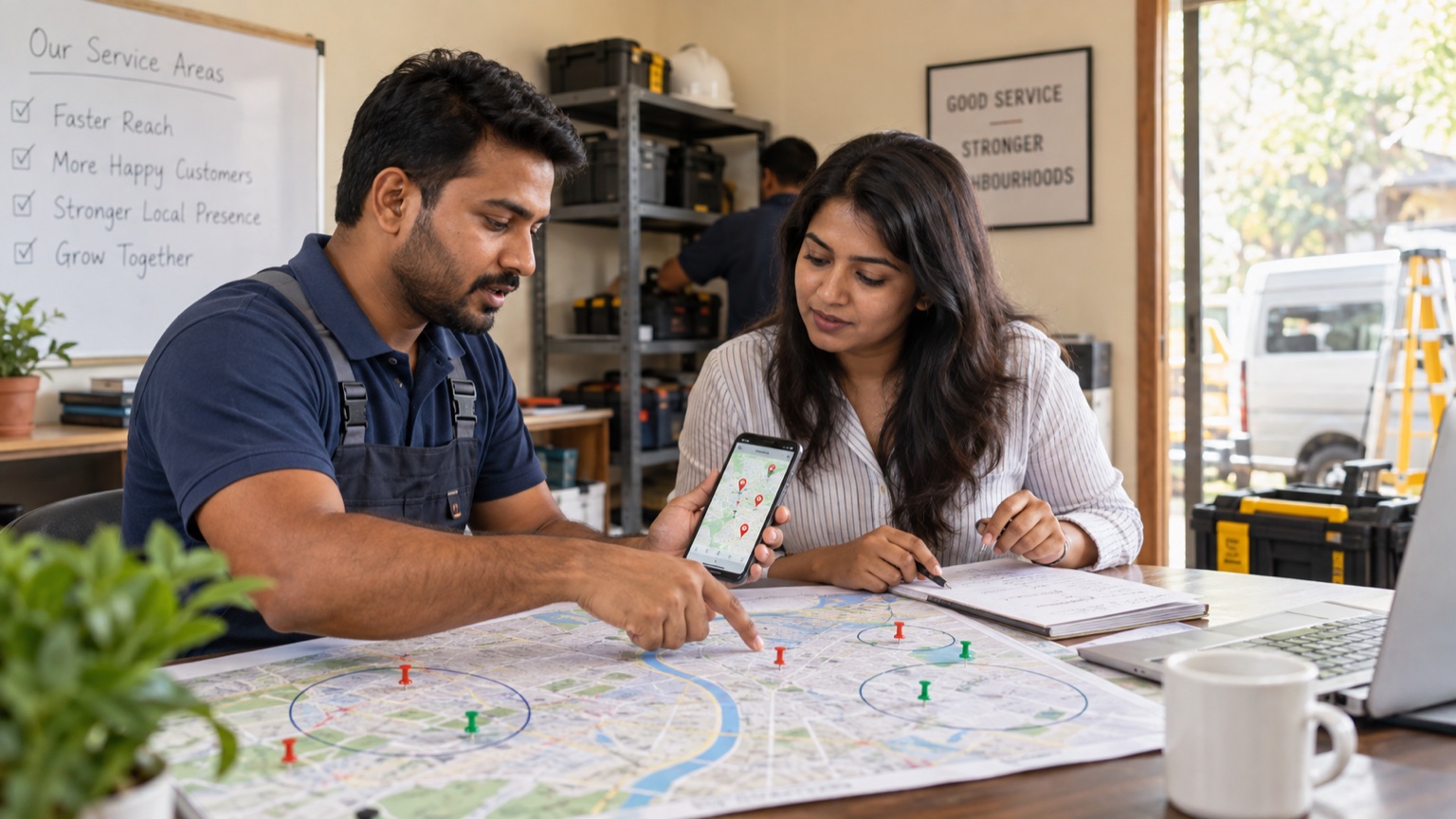
Google’s local guidance explains that visibility is influenced by relevance, distance and prominence. That means a business has to clearly explain what it does, where it serves customers, why people trust it and how a visitor can take the next step. This checklist is built for Indian service businesses that want better local discovery and better lead quality.
Start with search intent, not only city keywords
Many local SEO pages fail because they only repeat the city name. A better page answers the buyer’s real question. Someone searching for a dental implant clinic, digital marketing agency, IVF centre, coaching institute, salon, lawyer or home repair service wants proof, pricing direction, service details, location confidence and a quick contact path.
Build pages around intent groups such as emergency need, comparison, price research, location convenience, trust check and appointment booking. A local service page should explain the problem, the solution, who it is for, what happens after enquiry and why the business is credible.
Keep Google Business Profile information accurate
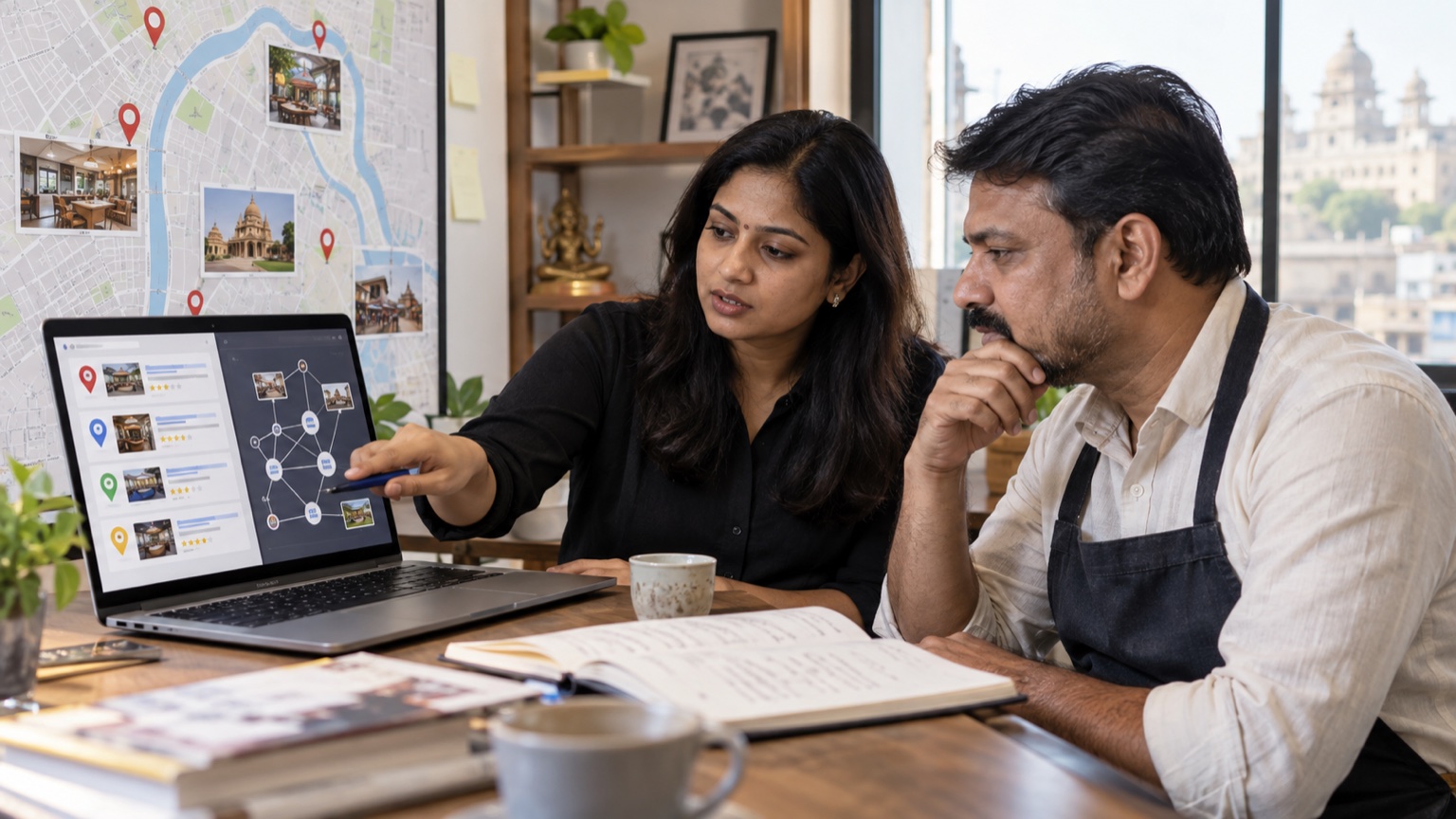
For businesses that are eligible for a Google Business Profile, keep the name, category, phone number, hours, website link, service area and photos accurate. Google recommends complete and up-to-date information so customers understand what the business does and where it serves. Avoid adding extra keywords to the business name because that can create profile risk.
Reviews also matter for trust. Ask genuine customers for feedback, reply professionally and look for repeated objections inside reviews. Those objections often become useful website FAQs and blog topics.
Connect the website and profile signals
Your website should support the same business information shown on Google. Add clear service pages, contact details, embedded directions where relevant, appointment or enquiry buttons, and location-specific proof such as case studies, client types, neighbourhood coverage or service-area details. If the website says one thing and the profile says another, users lose confidence.
Build conversion paths for mobile users
Most local service leads start on mobile. The page should load quickly, show the phone number clearly, offer WhatsApp or a form where useful, and avoid long confusing layouts. Put the primary action near the top and repeat it after the key proof sections. A visitor should never have to hunt for the next step.
Use supporting blogs to answer buying questions
Blogs can support local SEO when they answer real questions connected to services. Good topics include “how to choose,” “cost factors,” “questions to ask,” “common mistakes,” “service comparison,” “eligibility,” “timeline” and “after-service support.” Each article should link back to the relevant service page so the user journey is clear.
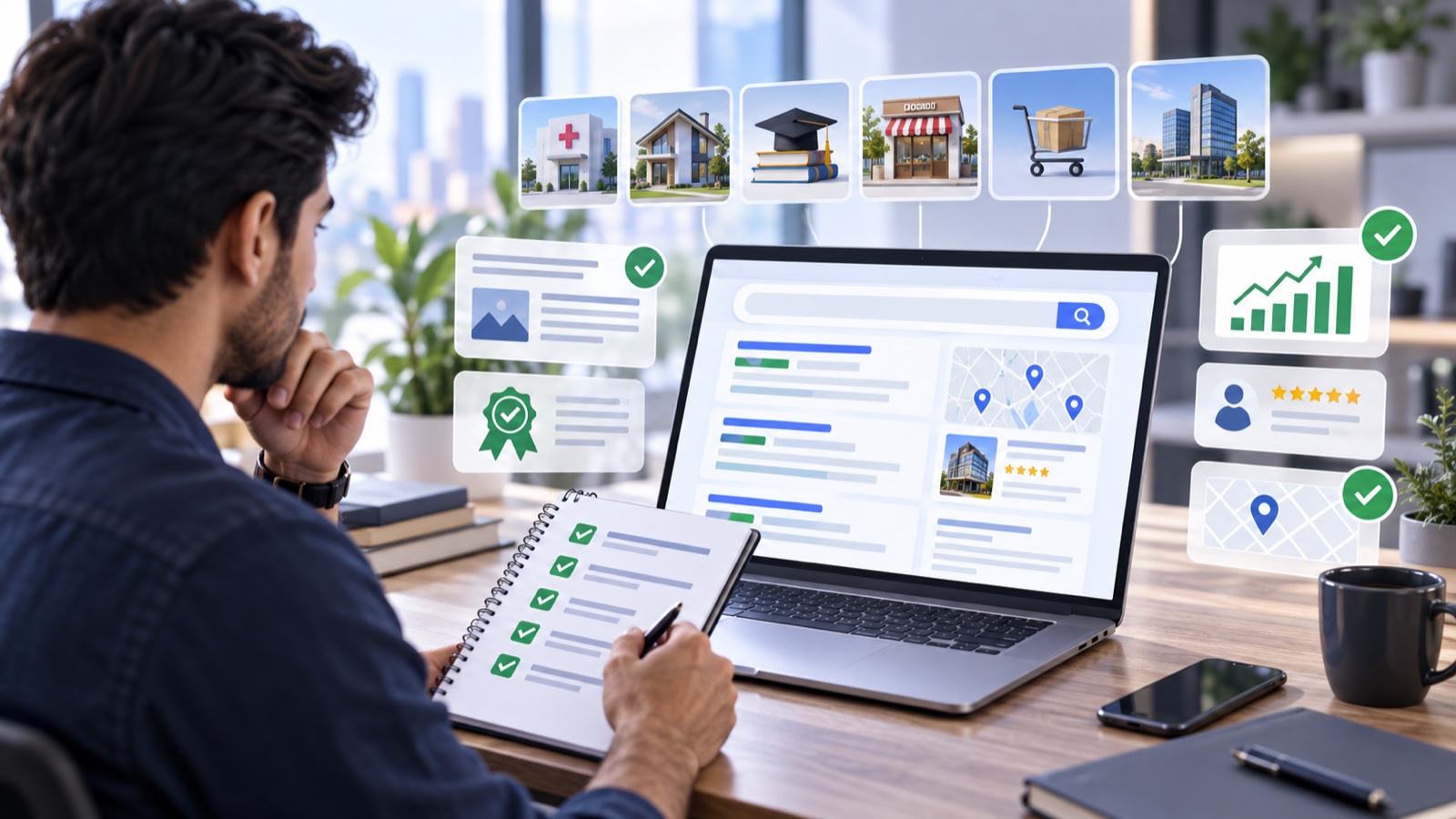
Local SEO checklist
- One clear page for every major service.
- Accurate name, address or service-area and phone signals.
- Human author, updated content and realistic claims.
- Review strategy with professional replies.
- Fast mobile landing pages with click-to-call and form tracking.
- Internal links from blogs to service pages.
- FAQs based on actual sales and support questions.
- Photos that represent the real business where applicable.
How SaaSzo uses this for campaigns
For clients, SaaSzo connects local SEO with landing pages, Google Ads, Meta Ads and conversion tracking. Organic search, maps visibility and paid campaigns work better when the same service promise, proof and contact flow are aligned. The result is not just more traffic, but better quality leads.
The best local SEO plan is simple: make the business easy to understand, easy to trust and easy to contact. That is what turns local visibility into revenue opportunities.